
Trézor.io/Start — Starting Up™ Your Device | Trezor®
Start with Trezor.io/start to understand Trezor wallet setup, hardware device preparation, Trezor Suite connectivity, account management, and responsible crypto security practices.
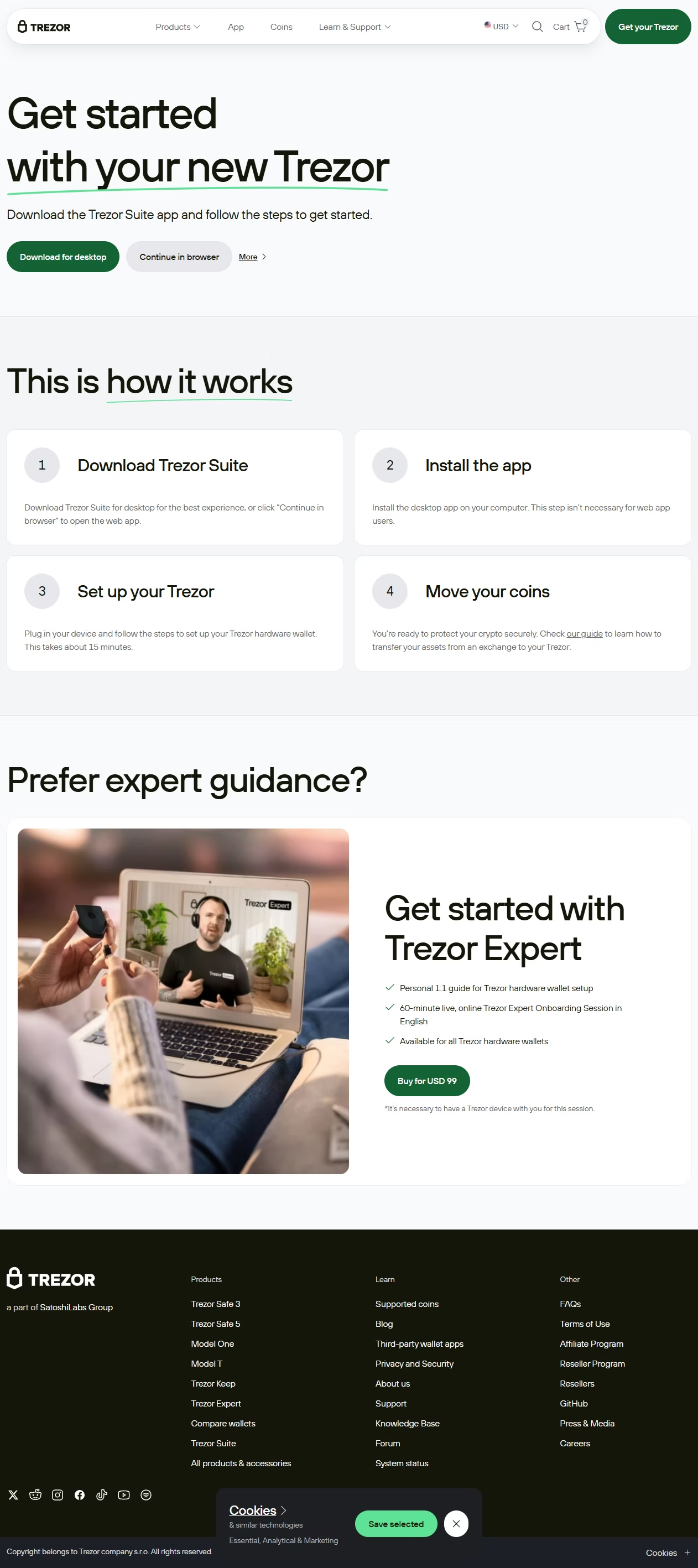
Trezor.io/start: A Complete Guide to Trezor Wallet Setup and Security
Setting up a hardware wallet is an important step for anyone who wants greater control over cryptocurrency access and transaction approvals. Unlike a conventional software wallet, a hardware wallet combines a physical device with wallet-management software and security procedures designed to protect sensitive credentials.
Trezor.io/start can serve as a starting point for users preparing a Trezor hardware wallet. The setup process involves connecting the device, following the appropriate initialization steps, creating a secure backup, and learning how Trezor Suite can be used to manage supported cryptocurrency accounts.
Understanding each part of the process can help new users avoid common mistakes and develop better wallet-security habits from the beginning.
What Is Trezor.io/start?
Trezor.io/start refers to the setup-oriented starting point associated with Trezor hardware-wallet onboarding. It can help users understand the initial steps required to prepare a compatible Trezor device and connect it with the appropriate wallet-management environment.
A hardware wallet should not be viewed simply as another application. The physical device plays an important role in protecting sensitive wallet credentials and confirming transactions, while software such as Trezor Suite provides an interface for managing supported accounts and assets.
Understanding the Trezor Hardware Wallet
A Trezor hardware wallet is designed to keep important wallet credentials separated from the ordinary computer environment. This separation can provide an additional security layer when users manage cryptocurrency.
The device may be used to confirm transaction information before an action is authorized. This makes the physical hardware an important part of the overall security model rather than merely an accessory connected to a computer.
For new users, understanding this relationship between hardware and software is an important part of learning the Trezor wallet setup process.
Preparing Before Starting the Setup
Before beginning, users should make sure they have the Trezor hardware wallet available and are using a trusted computer. A stable connection may also be necessary when downloading software or interacting with supported blockchain networks.
Software should always be obtained through a verified source. Users should avoid downloading wallet applications from unfamiliar websites, advertisements, unsolicited messages, or links received from unknown individuals.
It is also helpful to set aside enough time to complete the setup carefully rather than rushing through security-related prompts.
Checking the Hardware Wallet
Before initializing the device, users should inspect the hardware and confirm that it appears to be in expected condition. The device should be handled carefully, and users should pay attention to any unexpected instructions or suspicious requests.
If something appears unusual, it is better to pause and verify the situation through trusted documentation rather than continuing automatically.
This simple precaution can help users identify potential problems before sensitive wallet information is created or stored.
Starting the Trezor Wallet Setup
Once the device is ready, users can follow the appropriate setup instructions for their specific Trezor model. The process may involve connecting the hardware wallet and installing or opening the compatible wallet-management software.
The setup interface can guide users through important configuration steps. Each prompt should be read carefully, particularly when it involves security settings or backup information.
Users should avoid accepting unfamiliar instructions simply because they appear during the setup process.
Creating a Secure Wallet Backup
One of the most important stages of hardware-wallet initialization is creating the wallet backup. The backup information is extremely sensitive because it can be associated with recovering access to cryptocurrency accounts.
Users should write down the recovery information carefully and store it somewhere private and secure. Digital photographs, cloud storage, email drafts, messaging applications, and ordinary text files may expose sensitive information unnecessarily.
The backup should remain accessible to the owner while being protected from unauthorized people.
Why the Recovery Information Matters
The recovery information is not an ordinary password. It can play a critical role in restoring wallet access under supported recovery procedures.
Because of this, users should never enter their recovery information into random websites or provide it to someone claiming to offer technical support.
A message asking for a recovery phrase to “verify,” “activate,” “synchronize,” or “unlock” a wallet should be treated as suspicious.
Setting Up Device Security
A hardware wallet can include security controls designed to prevent unauthorized use of the physical device. Users should configure these protections carefully and avoid sharing their device credentials.
Security information should not be written in publicly accessible locations or communicated to another person.
The goal is to make sure that possession of the physical wallet does not automatically translate into unrestricted access to its functions.
Connecting Trezor Suite
Trezor Suite provides a software environment for managing supported cryptocurrency accounts and interacting with a Trezor hardware wallet. Through the application, users can review account information, monitor supported assets, and prepare transactions.
The software and hardware have different roles. Trezor Suite provides the management interface, while the physical Trezor device provides an important layer for protecting and confirming sensitive operations.
Keeping both components properly maintained can support a smoother wallet-management experience.
Managing Cryptocurrency Accounts
After setup, users can organize supported cryptocurrency accounts through the wallet-management interface. Different blockchain networks may have different account requirements, so users should pay attention to the network and asset involved in each operation.
Account organization can make it easier to distinguish between different holdings and monitor transaction activity.
Users should also remember that cryptocurrency balances are represented through blockchain records. The wallet interface provides a convenient way to view and manage those assets rather than functioning as a traditional bank account.
Receiving Cryptocurrency Safely
When receiving cryptocurrency, users should verify the receiving address and confirm that the correct blockchain network is being used.
For important transfers, additional verification through the hardware device can provide greater confidence when supported. Users should avoid copying addresses from suspicious sources or relying on unfamiliar messages.
A small amount of careful verification before receiving or sending funds can help reduce avoidable mistakes.
Reviewing Transactions Before Approval
Transaction approval is one of the most important security stages of hardware-wallet use. Before confirming a transfer, users should carefully review the destination address, asset, amount, and relevant network information.
When transaction details are shown directly on the physical device, users should compare them with the transaction they intended to make.
If the information does not match, the transaction should not be approved until the discrepancy has been investigated.
Recognizing Fake Trezor Websites
Cryptocurrency users can encounter phishing websites designed to imitate legitimate wallet services. These pages may use familiar terminology, logos, layouts, or urgent security messages to convince visitors to provide sensitive information.
Users should check website addresses carefully and avoid entering recovery information into websites simply because they look professional.
Unexpected requests for recovery phrases, device credentials, or remote computer access should always be treated cautiously.
Avoiding Fake Support
Fraudulent support messages can appear through email, social media, messaging platforms, or other communication channels. Someone may claim that a wallet needs to be verified or restored and then request confidential information.
Users should never share their recovery phrase with another person. Genuine troubleshooting should rely on trusted documentation and verified support channels rather than unsolicited individuals.
If a support request feels unusually urgent or asks for confidential wallet information, stopping the conversation is generally safer than continuing.
Keeping Trezor Software Updated
Wallet software and related components may receive updates that improve compatibility, security, or functionality. Users should obtain updates through trusted sources and avoid unofficial download links.
The computer used for wallet management should also be maintained properly. Keeping the operating system updated, avoiding suspicious programs, and being careful with browser extensions can help create a safer environment.
Hardware-wallet security works best when the surrounding computer environment is also treated carefully.
Common Trezor Setup Mistakes
New users may make mistakes such as rushing through setup, storing recovery information digitally, downloading software from an unknown source, or approving transactions without checking the physical device.
Another common mistake is believing that a support representative should receive the recovery phrase. This is not a safe practice.
Taking a slower approach during setup can help users recognize important security decisions before moving forward.
Building Better Wallet Security Habits
Security should continue after the initial setup is complete. Users should keep their recovery information private, maintain control over the physical device, verify transaction details, and remain cautious about unexpected messages.
It is also useful to periodically review account activity and software status. Familiarity with normal wallet behavior makes unusual activity easier to recognize.
Good security habits are often more effective when they become part of a consistent routine.
What to Do If Something Goes Wrong
If the setup process produces an unexpected message, unfamiliar prompt, or unusual request, users should avoid rushing to resolve it. Stop the operation and review the information through trusted documentation.
Users should not provide sensitive recovery information simply because a website or message claims that doing so will restore access.
For technical difficulties, verified support resources are preferable to unsolicited assistance from strangers or social-media accounts.
Final Thoughts
Trezor.io/start can provide a useful starting point for people beginning their Trezor hardware-wallet setup. The process involves more than connecting a physical device; users also need to understand wallet backups, device security, Trezor Suite, account management, transaction verification, and phishing protection.
A careful setup approach can make the overall experience easier to understand. By protecting recovery information, using trusted software sources, checking transaction details on the hardware device, and staying alert to suspicious support requests, users can establish stronger security habits for managing cryptocurrency with a Trezor wallet.
Updated about 5 hours ago