
Trézor.io/Start — Starting Up™ Your Device | Trezor®®
Start with Trezor.io/start to explore Trezor hardware wallet setup, device initialization, Trezor Suite features, account management, and recovery protection.
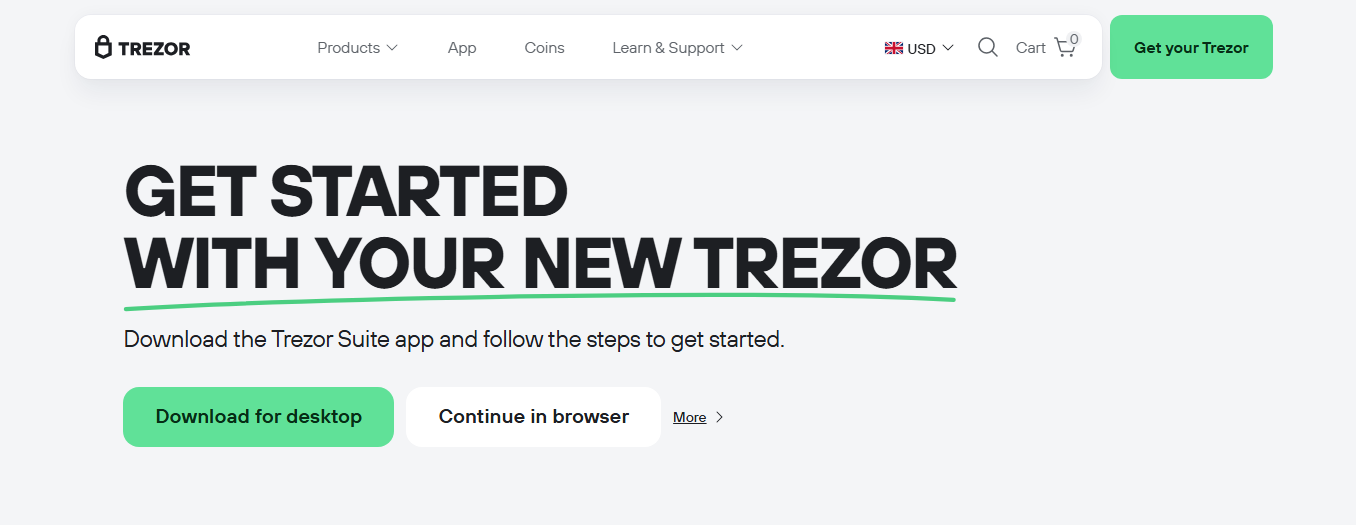
Trezor.io/start: A Practical Guide to Trezor Wallet Setup and Secure Crypto Management
Getting started with a hardware wallet involves more than connecting a small device to a computer. New users need to understand device initialization, wallet backups, security credentials, compatible software, account management, and transaction verification. A careful setup can make it easier to use a hardware wallet while reducing common security mistakes.
Trezor.io/start can be used as a starting point for users preparing a Trezor hardware wallet. The setup process introduces the device, helps users work with compatible wallet software, and provides an opportunity to establish important security practices before cryptocurrency is transferred or managed.
What Is Trezor.io/start?
Trezor.io/start is associated with the initial setup experience for Trezor hardware wallets. It provides a starting point for users who need to prepare their device and understand the basic steps involved in creating and managing a hardware-wallet environment.
The physical Trezor device and wallet software have different responsibilities. The software provides the interface for viewing accounts and managing supported assets, while the hardware device is used for important security and transaction-confirmation steps.
Understanding this distinction can make the setup process easier for first-time users.
Why Hardware Wallet Setup Matters
A hardware wallet is designed to provide an additional layer of protection for cryptocurrency-related credentials. Instead of relying entirely on a computer or phone, sensitive wallet operations can involve a dedicated physical device.
This approach can help reduce exposure to some risks associated with ordinary online environments. However, hardware-wallet security still depends on user behavior. Recovery information, device credentials, and transaction approvals must all be handled carefully.
A secure device cannot compensate for a recovery phrase that has been shared or entered into a fraudulent website.
Getting Ready for Trezor Setup
Before starting, users should prepare a trusted computer and make sure the Trezor device is available. It is also important to use legitimate software and avoid downloading wallet tools from unknown sources.
Users should be cautious with advertisements and unsolicited messages that provide wallet download links. A familiar-looking website is not necessarily a trustworthy one.
Taking time to verify the source before installing or opening wallet software is an important first step in protecting a new wallet.
Checking the Trezor Device
Before creating a wallet, users should inspect the physical hardware and follow the appropriate setup instructions for their device model.
If the device or setup instructions appear unusual, users should pause rather than attempting to bypass the issue. Trusted documentation can help determine whether a particular prompt or behavior is expected.
The initial setup is an important security stage, so there is little benefit in rushing through it.
Beginning the Wallet Initialization
Once the hardware wallet is ready, users can follow the setup process for their specific Trezor model. This may include connecting the device to the computer and using compatible wallet software to continue configuration.
During initialization, users should read each security-related prompt carefully. Important information should be recorded exactly as instructed, and users should avoid creating digital copies of sensitive recovery information unless specifically required by a trusted recovery procedure.
Protecting the Wallet Backup
Creating and protecting the wallet backup is one of the most important parts of hardware-wallet setup. Recovery information may be needed to restore access to supported wallet accounts if the physical device becomes unavailable.
Because of its importance, recovery information should be kept private and stored in a secure location controlled by the wallet owner.
It should not be posted online, sent through messaging applications, stored in an ordinary email account, or photographed and uploaded to cloud storage.
Never Share the Recovery Phrase
The recovery phrase should be treated as confidential wallet information. Anyone who gains access to it may potentially be able to restore the wallet under supported recovery procedures.
For this reason, users should be extremely cautious when someone claims that the phrase is required for verification or technical support.
A website or person requesting the complete recovery phrase should be considered suspicious. Users should instead consult trusted wallet documentation when they encounter a setup or recovery question.
Creating Strong Device Protection
The physical Trezor device should remain under the owner's control. Users should configure available device-security features carefully and keep associated credentials private.
Device protection is especially important if the hardware wallet is stored in a location where other people might access it.
Good security begins with simple habits: keep the device private, protect its credentials, and never give another person control of the wallet simply because they claim to provide assistance.
Using Trezor Suite After Setup
Trezor Suite can provide the software environment for managing supported cryptocurrency accounts and interacting with a compatible Trezor device.
Through the wallet-management interface, users can review account information, monitor supported assets, and prepare transactions. The software makes wallet management more convenient, while the physical device remains an important component for confirming sensitive actions.
Users should obtain Trezor-related software through trusted sources and keep the application maintained according to available guidance.
Managing Cryptocurrency Accounts
Once setup is complete, users can organize supported cryptocurrency accounts and monitor their holdings. Different assets may use different blockchain networks, so selecting the correct network is important when performing transfers.
Account organization can also make regular portfolio management easier. Users may choose to separate accounts according to asset type, purpose, or other personal preferences.
The wallet interface should be viewed as a management tool for blockchain-based assets rather than as a conventional bank account.
Receiving Crypto With Care
Receiving cryptocurrency requires attention to both the wallet address and the blockchain network. Before providing an address to another person or service, users should verify that it belongs to the intended account.
When supported, checking address information through the physical Trezor device can add another layer of confidence.
Users should also avoid relying on addresses supplied through suspicious messages or unfamiliar websites. For significant transfers, careful verification is worth the additional time.
Reviewing Transactions Before Confirmation
Sending cryptocurrency requires particular care because blockchain transactions may not be reversible once confirmed.
Before approving a transaction, users should review the recipient address, amount, asset, and network. The physical hardware wallet can provide an additional opportunity to verify transaction information before authorization.
If anything displayed on the device does not match the intended transaction, users should stop and investigate instead of confirming it.
Identifying Fake Trezor Websites
Phishing websites can imitate cryptocurrency wallet services and may look convincing at first glance. Some fake pages use familiar branding, similar layouts, or urgent messages designed to make visitors act quickly.
Users should verify website addresses carefully and avoid clicking wallet links received from unknown sources.
A request for a recovery phrase, private credentials, or remote access should be treated as a major warning sign, particularly when it comes from an unexpected message.
Avoiding Fraudulent Support Requests
Fake support is another common security concern in the cryptocurrency space. An individual may contact a user and claim that a wallet has encountered an error or requires immediate verification.
Users should not provide confidential wallet information to unsolicited contacts. They should also avoid allowing strangers to remotely control their computers during wallet-related troubleshooting.
When assistance is necessary, users should rely on verified documentation and legitimate support channels.
Keeping Software and Devices Maintained
After completing Trezor wallet setup, security should remain an ongoing process. Users should keep their computer operating system and relevant wallet software reasonably up to date.
Suspicious applications, unknown browser extensions, and unexpected downloads should be avoided. A compromised computer can create risks even when a hardware wallet is being used.
Users should also handle firmware or device updates carefully and obtain them only through trusted sources.
Common Setup Mistakes to Avoid
Some mistakes are particularly common among first-time hardware-wallet users. These include rushing through the initialization process, losing the wallet backup, sharing confidential information, downloading unofficial software, and approving transactions without checking the physical device.
Another mistake is assuming that every message mentioning Trezor is legitimate. Attackers can use familiar names and technical language to create a false sense of trust.
Slowing down whenever a security decision appears can help prevent many avoidable problems.
Building a Safer Trezor Routine
Wallet security should continue after the initial setup. Users can develop a routine that includes checking software sources, protecting recovery information, verifying transaction details, and monitoring account activity.
It is also useful to understand what normal wallet behavior looks like. When users are familiar with their accounts and regular transactions, unexpected changes can be easier to identify.
Consistent security habits are an important part of long-term cryptocurrency management.
What to Do When a Problem Appears
If an unfamiliar prompt, suspicious website, or unexpected support message appears during setup, users should avoid entering sensitive information or approving an unfamiliar action.
Stopping the process and checking trusted documentation is generally safer than following instructions from an unknown source.
Most importantly, users should never reveal their recovery phrase simply because someone claims it is necessary to fix a wallet or restore access.
Final Thoughts
Trezor.io/start provides a useful starting point for users beginning their Trezor hardware-wallet journey. A successful setup involves more than connecting the device; it also requires careful attention to wallet backups, device security, compatible software, account management, transaction verification, and phishing protection.
By protecting recovery information, using trusted software sources, reviewing transactions on the physical device, and remaining cautious about unsolicited support, users can establish a stronger foundation for managing cryptocurrency with a Trezor hardware wallet.
Updated about 4 hours ago